Marly Garnreiter / SWNS
When it comes to geology, the terms "shale" and "slate" often create confusion among enthusiasts and professionals alike. Both of these rock types originate from sedimentary processes, yet they exhibit distinct characteristics that set them apart. In this article, we will delve into the key differences, formation processes, and uses of shale and slate, ensuring clarity for those seeking to understand these fascinating geological materials.
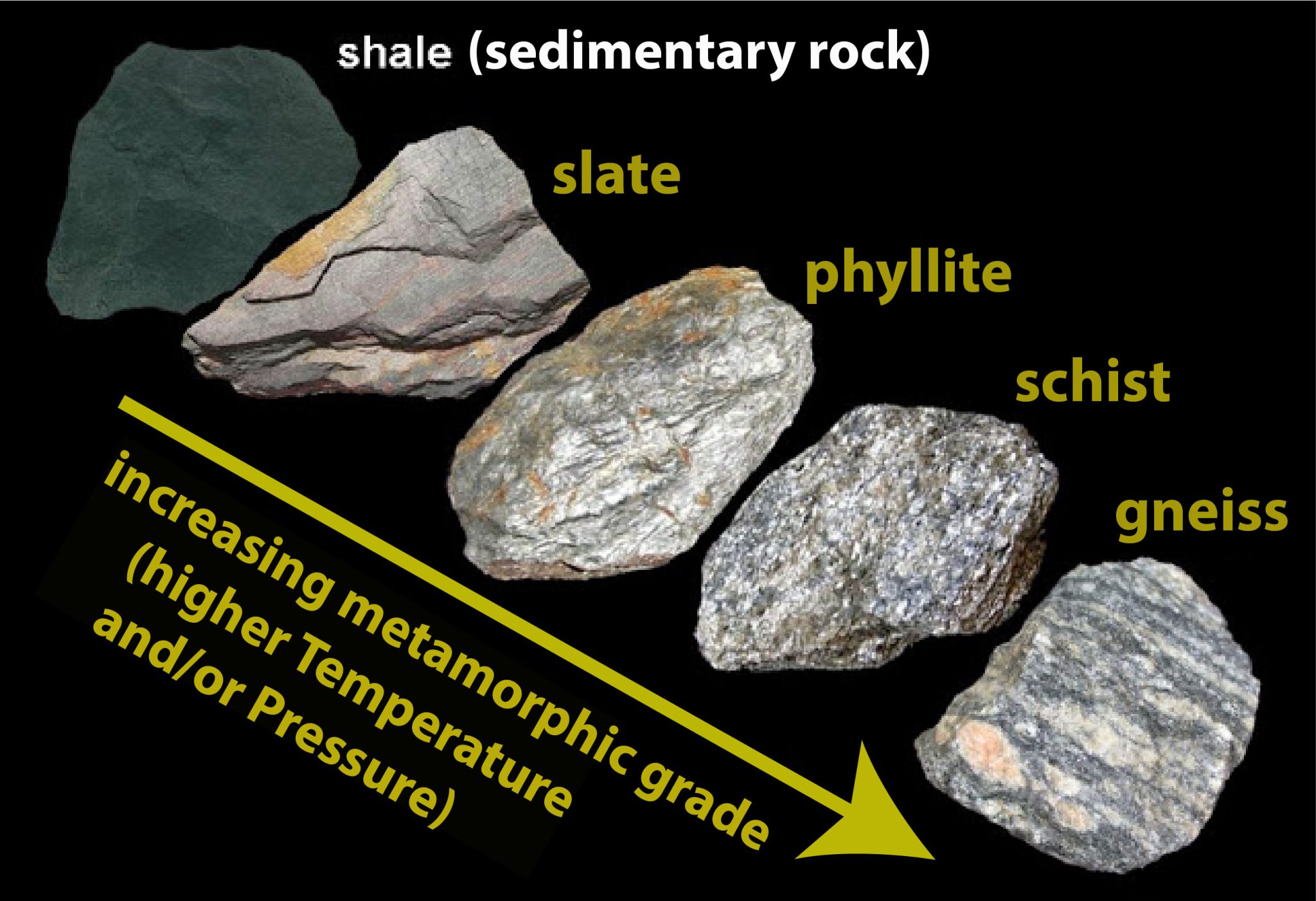
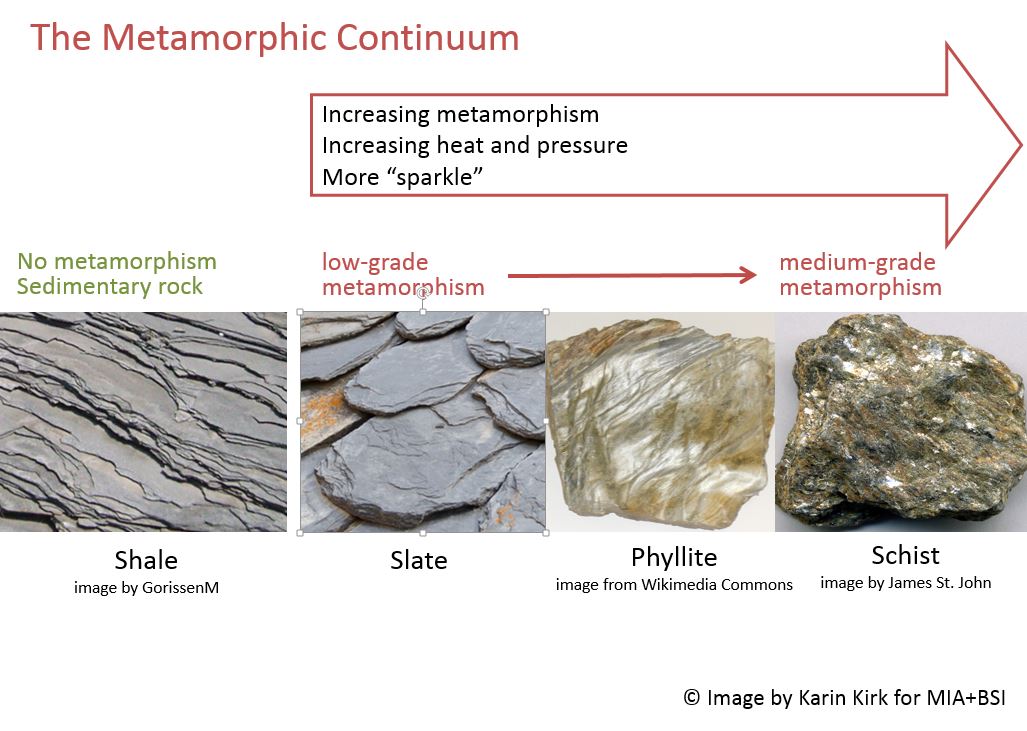
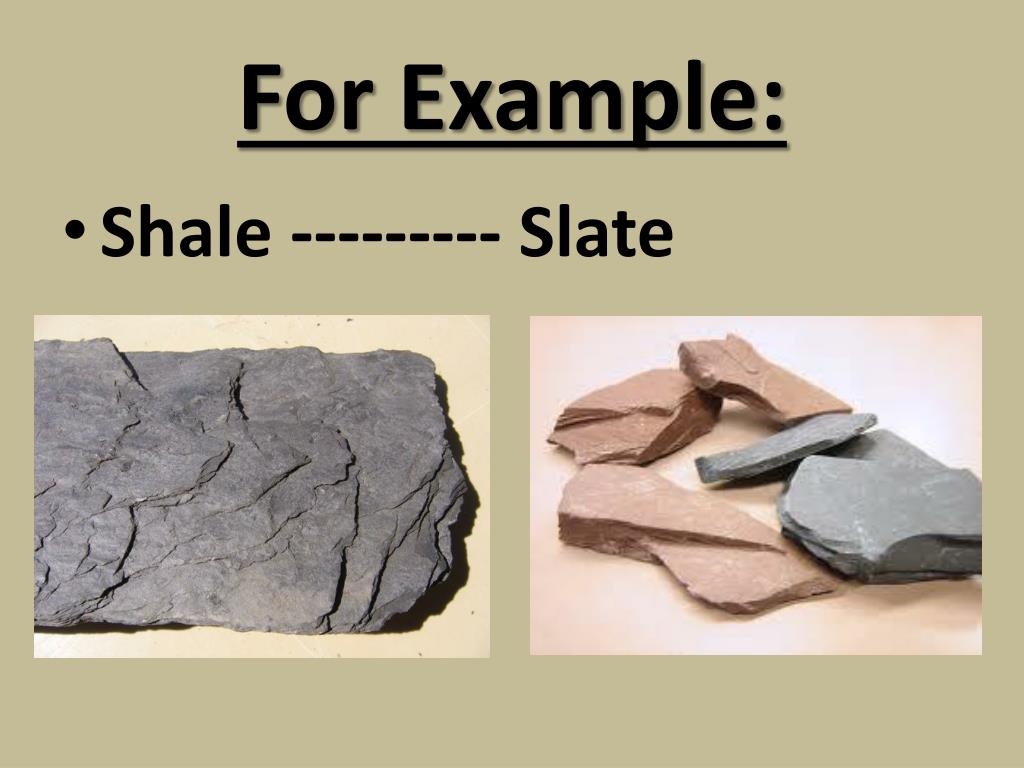
Shale is primarily a sedimentary rock composed of clay minerals and tiny fragments of other minerals. It forms from the compaction of mud and silt over time, making it one of the most abundant sedimentary rocks on Earth. On the other hand, slate is a metamorphic rock that originates from shale. When shale undergoes intense heat and pressure, it transforms into slate, a process known as metamorphism. This transformation not only alters the mineral composition but also enhances the durability and aesthetic qualities of the rock.
As we explore the topic of shale vs slate, we will cover various aspects, including their geological formations, physical properties, uses in construction and art, and their significance in the field of geology. By the end of this article, you will have a comprehensive understanding of both shale and slate, enabling you to appreciate their unique qualities and applications.
Shale is a fine-grained sedimentary rock that is primarily composed of clay minerals. It typically forms in quiet water environments, such as lakes, lagoons, and deep ocean floors, where fine particles settle and accumulate over time. Here are some key features of shale:
The formation of shale occurs through a series of geological processes:
Slate is a metamorphic rock that forms from the alteration of shale under high pressure and temperature. This transformation results in a denser and more durable rock with unique characteristics:
The metamorphic process that leads to the formation of slate involves several stages:
While both shale and slate share a common origin, they have several distinguishing features:
Understanding the differences between shale and slate is crucial for various fields, including geology, construction, and environmental science. Recognizing their properties can lead to better resource management and sustainable practices. Additionally, knowledge of these rocks can aid in identifying suitable materials for specific applications, ensuring the longevity and functionality of structures.
Both shale and slate have practical applications that highlight their unique properties:
In summary, shale and slate are two distinct rock types that, while related, serve different purposes and exhibit unique characteristics. Shale, a sedimentary rock, is primarily associated with energy resources and construction materials, while slate, a metamorphic rock, is prized for its durability and aesthetic appeal in architecture and design. By understanding the differences between shale vs slate, we can appreciate the complexities of the geological processes that shape our planet and the materials we use in our daily lives.