Marly Garnreiter / SWNS
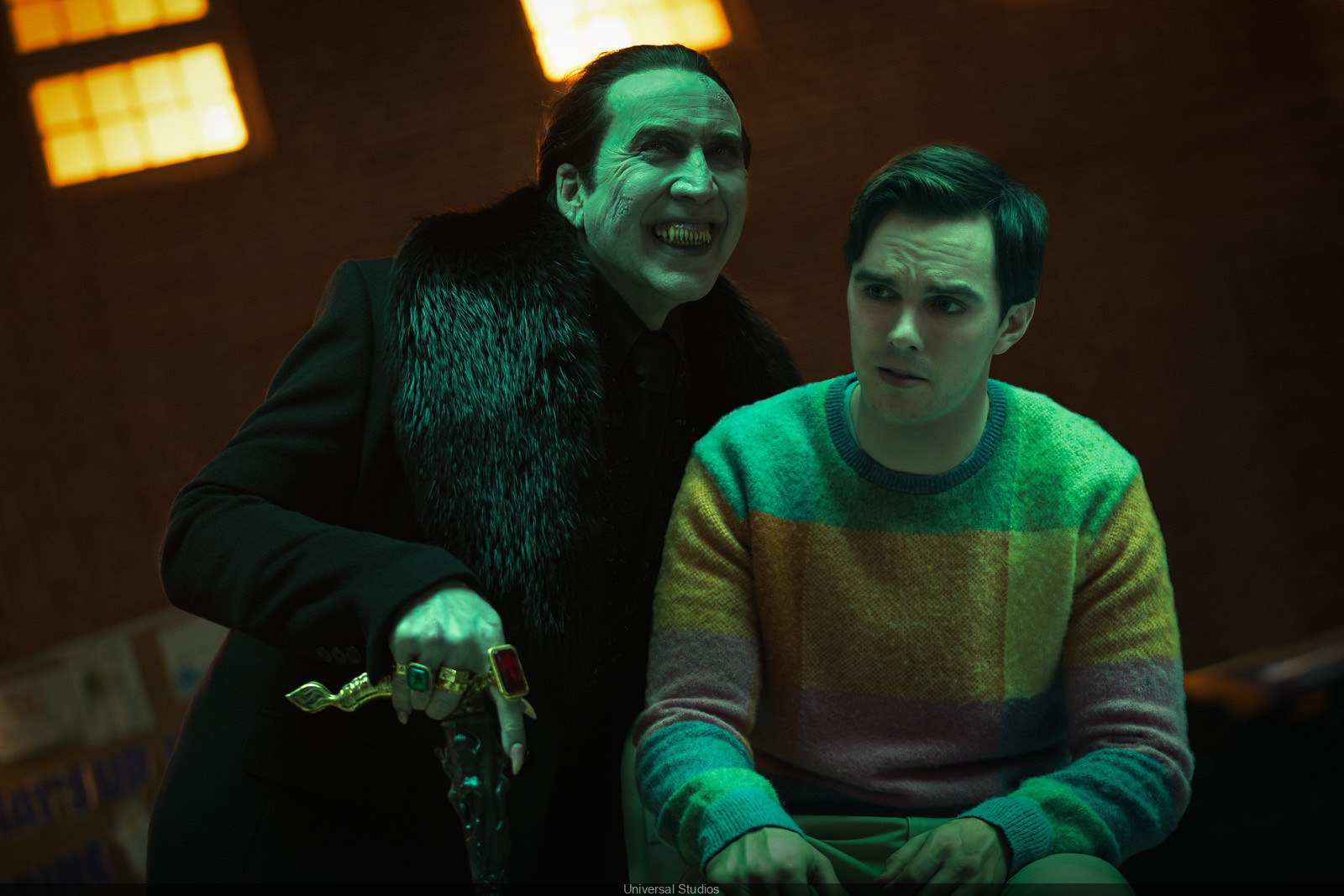
Renfield is often overshadowed by the more famous Dracula, yet his character plays a crucial role in Bram Stoker's iconic novel. As a devoted servant to Count Dracula, Renfield's unique characteristics and his descent into madness provide a fascinating perspective on the themes of obsession and the supernatural. In this article, we will explore the complex nature of Renfield’s character, his relationship with Dracula, and how he has been portrayed in various adaptations over the years.
The tale of Dracula has captivated audiences since its publication in 1897, and while Count Dracula often takes center stage, Renfield offers a compelling subplot that deserves attention. This article will delve into Renfield's biography, his motivations, and how his character serves as a mirror to Dracula's own dark desires. We will also examine the various interpretations of Renfield in film and literature, which highlight his significance in the Dracula mythos.
Join us as we uncover the layers of Renfield's character, illustrating why he is more than just a footnote in the story of Dracula. From his eerie obsession with consuming living creatures to his tragic downfall, Renfield's journey raises questions about sanity, control, and the nature of evil.
Renfield is introduced in Bram Stoker's "Dracula" as an inmate at the asylum run by Dr. John Seward. His character is pivotal to the narrative as it provides insight into the psychological effects of Dracula's influence. Renfield's obsession with consuming living creatures, particularly flies and spiders, is a manifestation of his psychological deterioration and his desire for immortality.
Renfield is characterized by his erratic behavior and obsessive tendencies. His fascination with consuming live creatures stems from a belief that by doing so, he can absorb their life force. This bizarre obsession serves as a reflection of his deeper psychological issues, as well as a commentary on the nature of power and control.
Renfield's relationship with Dracula is complex and multifaceted. Initially, he is drawn to Dracula's power and the promise of immortality. However, this relationship quickly turns toxic as Dracula manipulates Renfield for his own ends. Renfield becomes a tragic figure, caught between his desire for freedom and his enslavement to Dracula.
Throughout the novel, Renfield's interactions with Dracula serve to highlight the themes of control and dependency. His initial admiration for Dracula morphs into a desperate need for approval, leading to his eventual demise.
Over the years, Renfield has been portrayed in various adaptations of "Dracula," each offering a unique interpretation of his character. Some adaptations emphasize his madness, while others explore his loyalty to Dracula. Here are a few notable portrayals:
Renfield serves as a symbol of the struggle between sanity and insanity, as well as the destructive nature of obsession. His character embodies the idea that the pursuit of power, even through dark means, can lead to one's downfall. This theme resonates throughout the novel, as characters grapple with their own desires and moral dilemmas.
From a psychological perspective, Renfield represents a case study of madness influenced by external forces. His fixation on consuming life forms reflects a deep-seated desire for control and autonomy, which is stifled by his confinement in the asylum. Renfield’s behavior can be analyzed through the lens of various psychological theories, including:
Renfield's character has left a significant mark on popular culture, inspiring numerous references in literature, film, and even music. His portrayal has evolved over time, reflecting changing societal attitudes towards mental health and the nature of evil. Renfield’s legacy continues to resonate, as he represents the darker aspects of human nature.
In conclusion, Renfield is a multi-dimensional character whose complexities enrich the narrative of "Dracula." His tragic obsession and ultimate downfall serve as a warning about the perils of unchecked desires and the quest for power. By examining Renfield's character, we gain a deeper understanding of the themes present in Stoker's work and the enduring legacy of Dracula.
If you found this exploration of Renfield insightful, we encourage you to share your thoughts in the comments below or explore other articles on our site. Your engagement helps us continue to delve into the fascinating world of literature and its characters.
Thank you for reading, and we hope to see you back soon for more intriguing discussions on classic literature!
ncG1vNJzZmivp6x%2Fb8DAnqqaZpOkum%2Bu0Widmqqena6uhI6rnKeemZq5pXnToZxmrZ6ZsrO%2BwK2cnWWTna6zrcKtnKtlmaN6pb7AnKylmaNiuaazwJywZ6Ckork%3D


