Marly Garnreiter / SWNS
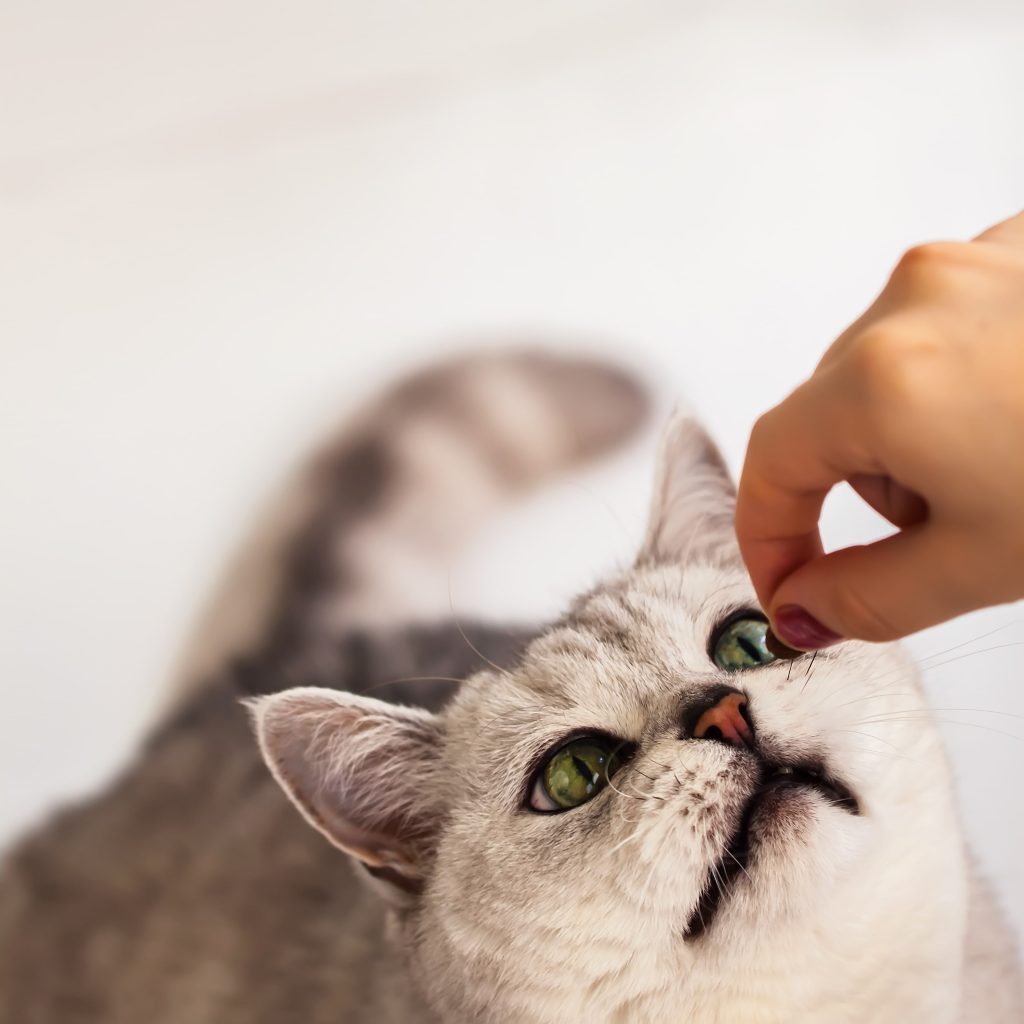
As pet owners, we often find ourselves wondering about the dietary habits of our beloved feline companions, especially when it comes to introducing new foods into their diet. One such intriguing question that often arises is, "Can cats eat seaweed?" Seaweed, a nutrient-rich marine plant, has been consumed by humans for centuries. With its growing popularity as a health supplement, it's natural to consider if this oceanic vegetable can be beneficial for our cats as well.
Before delving into the specifics of whether cats can safely consume seaweed, it's essential to understand the general dietary needs of cats. Cats are obligate carnivores, which means their diet primarily consists of meat. They require a high-protein diet and certain nutrients such as taurine, arachidonic acid, and vitamin A, which are naturally found in animal tissues. However, this doesn't necessarily exclude the possibility of including other supplementary foods like seaweed.
Understanding the potential benefits and risks associated with feeding seaweed to cats is crucial for pet owners. While seaweed is known for its rich content of vitamins, minerals, and fibers, it's important to assess its impact on a cat's health. In this article, we will explore the nutritional elements of seaweed, examine its compatibility with a feline diet, and provide insights into how it can be safely introduced to your cat's meals.
Seaweed is a diverse group of marine algae that grows in oceans and seas across the globe. It is classified into three main types: brown, red, and green seaweed. Each type offers a unique composition of nutrients, making seaweed a versatile and beneficial food source for humans. The question remains: Can cats eat seaweed, and if so, how does it benefit them?
Seaweed is packed with essential nutrients that contribute to its status as a superfood. These include:
Cats have a unique digestive system that is primarily designed to process animal proteins. While they can digest some plant matter, it's essential to consider how well they can absorb the nutrients from seaweed. Can cats eat seaweed and derive nutritional benefits from it? Let's explore this further.
While seaweed is not a necessary component of a cat's diet, it can offer some potential benefits when included in moderation:
When considering whether cats can eat seaweed, safety is a top priority. Seaweed is generally safe for cats when given in small amounts. However, it's crucial to avoid seaweed that contains added salts, seasonings, or preservatives, as these can be harmful to cats.
Moderation is key when introducing any new food to your cat's diet. It's advisable to start with a small amount of seaweed and observe your cat's reaction. If there are no adverse effects, you can gradually increase the quantity, always keeping it as a supplementary treat rather than a staple food.
Introducing seaweed to your cat's diet should be done gradually and with care. Follow these steps:
Not all types of seaweed are suitable for cats. Safe options include:
While seaweed offers several benefits, there are potential risks to consider:
Seaweed supplements are available in various forms, including powders and capsules. While they can be a convenient way to provide seaweed's benefits, it's essential to choose products specifically formulated for pets and consult your veterinarian before use.
Some commercial cat foods incorporate seaweed as an ingredient. These products are typically formulated to ensure safety and provide balanced nutrition. If you're considering such options, check the ingredient list and nutritional information to ensure it's suitable for your cat.
If you're hesitant about feeding seaweed, there are alternative sources of nutrients that can benefit your cat, such as:
Veterinarians generally agree that seaweed can be a safe and beneficial addition to a cat's diet when given in moderation. However, they emphasize the importance of consulting with a vet before making any dietary changes to ensure it aligns with your cat's health needs.
While seaweed is not a cure-all, it may offer support for certain health issues due to its nutrient content. For example, the fiber in seaweed can aid digestion, and its vitamins and minerals may support overall health. However, it's not a substitute for veterinary care.
Here are some common questions pet owners have about cats and seaweed:
ncG1vNJzZmivp6x%2Fb8DAnqqaZpOkum%2Bu0WimpGxdo7K4v8armKZpYGSworqMnJitq12arrV50p6YsJ2VmXqiec2uq6uhpJ68r63LZpyxqJykv6LAyKilZ6Ckork%3D


