Marly Garnreiter / SWNS
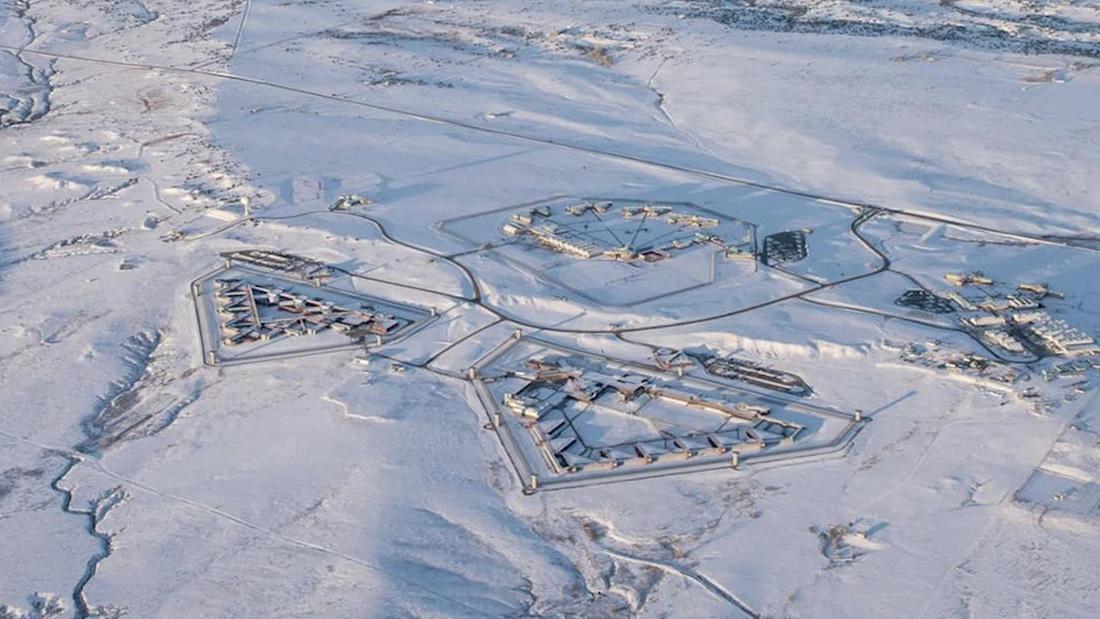
Supermax Prison Colorado, also known as the United States Penitentiary Administrative Maximum Facility (USP ADX), is a fortress of high-security incarceration located in the rugged landscapes of Florence, Colorado. This facility is renowned for housing some of the most notorious criminals, including terrorists and high-profile offenders. As an epitome of maximum-security prisons, it stands as a testament to the nation's commitment to keeping society safe from those deemed too dangerous for traditional prisons.
With its inception in 1994, Supermax Prison Colorado has drawn significant attention due to its unique design and operational procedures tailored to minimize any potential risks. The facility is often described as a "clean version of hell" by former inmates due to its stringent control measures, solitary confinement, and overall environment designed to prevent escapes and maintain order. This prison is at the forefront of discussions surrounding the ethics and effectiveness of solitary confinement and high-security imprisonment.
Understanding the inner workings and implications of Supermax Prison Colorado is crucial for those interested in criminal justice, human rights, and security operations. Through this article, we aim to delve into various aspects of the facility, offering insights into its history, design, inmate life, controversies, and more. Our objective is to provide a comprehensive overview that sheds light on one of America's most secure prisons.
The inception of Supermax Prison Colorado was a response to a growing need for a facility that could house the most dangerous criminals who posed significant threats to society and other inmates. Constructed in 1994, the prison was designed to be the most secure federal prison in the United States. Located in Florence, Colorado, it occupies 37 acres and is part of the Florence Federal Correctional Complex.
Before the establishment of this supermax facility, the federal prison system faced challenges in managing inmates who were capable of orchestrating violence, escapes, or other disruptive activities even while incarcerated. The development of Supermax Prison Colorado was part of a broader strategy to enhance the capacity of the federal prison system to maintain security and order. The design and operational philosophy of the prison were influenced by earlier models of high-security incarceration, notably Marion Federal Penitentiary, which had been the highest security prison before the opening of ADX Florence.
The prison's construction was both a technological and architectural feat, emphasizing security and control. The facility's architecture includes extensive use of reinforced concrete and steel barriers, designed to prevent any form of escape. Its strategic location in the remote, mountainous area of Florence further enhances its security by making access difficult for unauthorized persons.
Supermax Prison Colorado stands out due to its design, operational protocols, and the nature of its inmate population. It is designed to house inmates in solitary confinement for 23 hours a day, with minimal human interaction, which is a significant departure from traditional prison systems. The aim is to severely limit any opportunity for inmates to engage in violent or disruptive behavior.
Several features contribute to the uniqueness of Supermax Prison Colorado:
These features make Supermax Prison Colorado a focal point in debates about prison conditions and human rights, especially concerning the effects of prolonged solitary confinement on mental health.
The selection process for inmates to be transferred to Supermax Prison Colorado involves a stringent assessment of their history and behavior. The decision is typically based on whether an inmate poses a significant threat to the safety of others or the security of the prison environment.
Criteria for selection include:
The decision to transfer an inmate to a supermax facility is not taken lightly and usually involves a comprehensive review by a panel of corrections officials. This ensures that only those who pose the greatest threat are housed in such a high-security environment.
Life inside Supermax Prison Colorado is characterized by extreme isolation and minimal interaction. Inmates spend the majority of their time in solitary confinement, in cells measuring approximately 7 by 12 feet. These cells are equipped with a bed, toilet, shower, and a small desk, with meals delivered through a slot in the door.
The daily routine is highly regimented, with inmates allowed out of their cells for one hour a day for exercise, which usually takes place in a small, enclosed area. This limited interaction with the outside world is intended to prevent any form of communication or planning that could lead to disruptions or escape attempts.
Despite the harsh conditions, the facility provides basic amenities and services, including access to legal resources, limited reading materials, and sometimes educational programs, depending on the inmate's behavior and compliance with rules. However, the level of isolation has raised significant concerns regarding the mental and physical health of the inmates, prompting debates about the ethics of such stringent conditions.
Supermax Prison Colorado employs a comprehensive array of security measures and technologies to ensure the facility remains impenetrable. The advanced systems in place are designed to monitor and control every aspect of prison life, reducing the possibility of violence or escape.
Key security measures include:
These measures are constantly evaluated and updated to incorporate the latest advancements in security technology, maintaining Supermax Prison Colorado as one of the most secure correctional facilities in the world.
The use of solitary confinement at Supermax Prison Colorado has sparked significant controversy regarding its impact on mental health. Critics argue that prolonged isolation can lead to severe psychological effects, including depression, anxiety, and even psychosis.
Studies have shown that the lack of social interaction and stimulation can exacerbate existing mental health issues and lead to the development of new disorders. In response to these concerns, there have been calls for reform and increased mental health support for inmates housed in supermax facilities.
Efforts are being made to address these issues, with some advocating for alternative methods of incarceration that balance security needs with humane treatment. Mental health professionals are also pushing for increased access to counseling and therapeutic services for inmates to mitigate the negative effects of solitary confinement.
Supermax Prison Colorado has housed some of the most infamous criminals in modern history. These include terrorists, drug kingpins, and notorious gang leaders, each with a significant impact on national and international security.
Some notable inmates include:
The presence of such high-profile inmates highlights the importance of maintaining a secure and controlled environment within the facility to prevent any further criminal activities.
The ethical implications of supermax facilities like Supermax Prison Colorado are a topic of ongoing debate. Critics argue that the extreme conditions and prolonged isolation violate human rights and can be considered a form of psychological torture.
Supporters, however, contend that such measures are necessary to maintain security and protect society from individuals who pose severe threats. The debate continues to influence discussions on prison reform, with calls for greater oversight and the development of more humane incarceration methods.
Ultimately, the challenge lies in balancing the need for security with the rights and well-being of inmates, ensuring that justice is served without compromising human dignity.
Supermax Prison Colorado is often compared to other high-security facilities worldwide, each with its unique approach to handling dangerous inmates. While some share similarities in design and operational procedures, others offer different models of incarceration.
Notable comparisons include:
These comparisons highlight the diversity of approaches to high-security incarceration and the ongoing dialogue about best practices in the field.
The presence of Supermax Prison Colorado has had a significant impact on the local community of Florence, Colorado. Economically, the facility provides numerous job opportunities, contributing to the local economy and supporting businesses in the area.
However, the prison also poses challenges, particularly concerning the perception of safety and the stigma associated with housing some of the nation's most dangerous criminals. Efforts to engage with the community and address concerns are ongoing, with a focus on fostering a positive relationship between the prison and local residents.
Legal challenges against Supermax Prison Colorado have often centered on issues of human rights and the conditions of confinement. Lawsuits have been filed concerning the use of solitary confinement, alleging that it violates constitutional protections against cruel and unusual punishment.
These challenges have spurred calls for reform, with advocates pushing for changes in how high-security inmates are housed and treated. Proposed reforms include reducing the use of solitary confinement, increasing access to mental health services, and implementing alternative methods of ensuring security and rehabilitation.
The future of Supermax Prison Colorado will likely involve ongoing discussions about its role in the federal prison system and potential reforms to address ethical and human rights concerns. As new technologies and approaches to incarceration emerge, the facility may adapt to incorporate these innovations while maintaining its high-security standards.
Public and legal pressure for more humane treatment of inmates may also drive changes in how the prison operates, balancing the need for security with the rights of those incarcerated. The continued evolution of Supermax Prison Colorado will be a focal point in the broader conversation about prison reform and the future of high-security incarceration.
Supermax Prison Colorado, officially known as the United States Penitentiary Administrative Maximum Facility (USP ADX), is a high-security federal prison located in Florence, Colorado, designed to house the most dangerous criminals.
Inmates are held in solitary confinement for 23 hours a day with minimal human interaction, which is intended to prevent violence and maintain security. However, this has raised concerns about the psychological impact of such isolation.
The facility employs advanced surveillance systems, controlled access, and perimeter security to monitor and control inmate activities and prevent escapes.
Notable inmates include Ted Kaczynski, the Unabomber; Ramzi Yousef, involved in the 1993 World Trade Center bombing; and Robert Hanssen, a former FBI agent convicted of espionage.
Ethical concerns focus on the use of solitary confinement and its impact on mental health, with critics arguing that it constitutes a form of psychological torture.
There is potential for reform, driven by legal challenges and advocacy efforts. Proposed changes include reducing the use of solitary confinement and increasing mental health support for inmates.
Supermax Prison Colorado serves as a critical component of the federal prison system, designed to house the most dangerous criminals while maintaining the highest security standards. While its unique design and operational protocols have proven effective in preventing violence and escapes, they have also sparked significant ethical debates and calls for reform.
The future of the facility will likely involve balancing security needs with human rights considerations, adapting to new technologies and approaches to incarceration. As discussions about prison reform continue, Supermax Prison Colorado will remain at the forefront of the conversation, shaping the future of high-security incarceration.
ncG1vNJzZmivp6x%2Fb8DAnqqaZpOkum%2Bu0WiZqKeboLumw9JyZqKmo560qcDSZqCnrJ9iwamxjKysqZ2ioq65ec%2BroKynnmKwsLjOq5idp12Weri70aWbZqeWYrWqs8dmqp6bpae2tcWNoaumpA%3D%3D


