Marly Garnreiter / SWNS
Ever heard about the magic of a pinch of salt under the tongue? If not, you're in for a treat. This age-old practice has been around for centuries, and people swear by its effectiveness for various health issues. Whether you're looking to boost your hydration or find relief from a sudden illness, this simple trick might just become your go-to solution.
Picture this: you're out on a long hike, sweating buckets, and suddenly you feel lightheaded. Your body's screaming for fluids, but water alone isn't cutting it. Enter the humble salt. A pinch under your tongue could be the game-changer you didn't know you needed. It's not just a survival hack; it's a scientifically-backed method to help your body recover faster.
Now, before we dive deep into the world of salt and its wonders, let's clear the air. This isn't some random folklore remedy. It's rooted in science, and we'll explore how it works, its benefits, and whether it's safe for everyone. So, grab a glass of water, and let's get started on this salty journey!
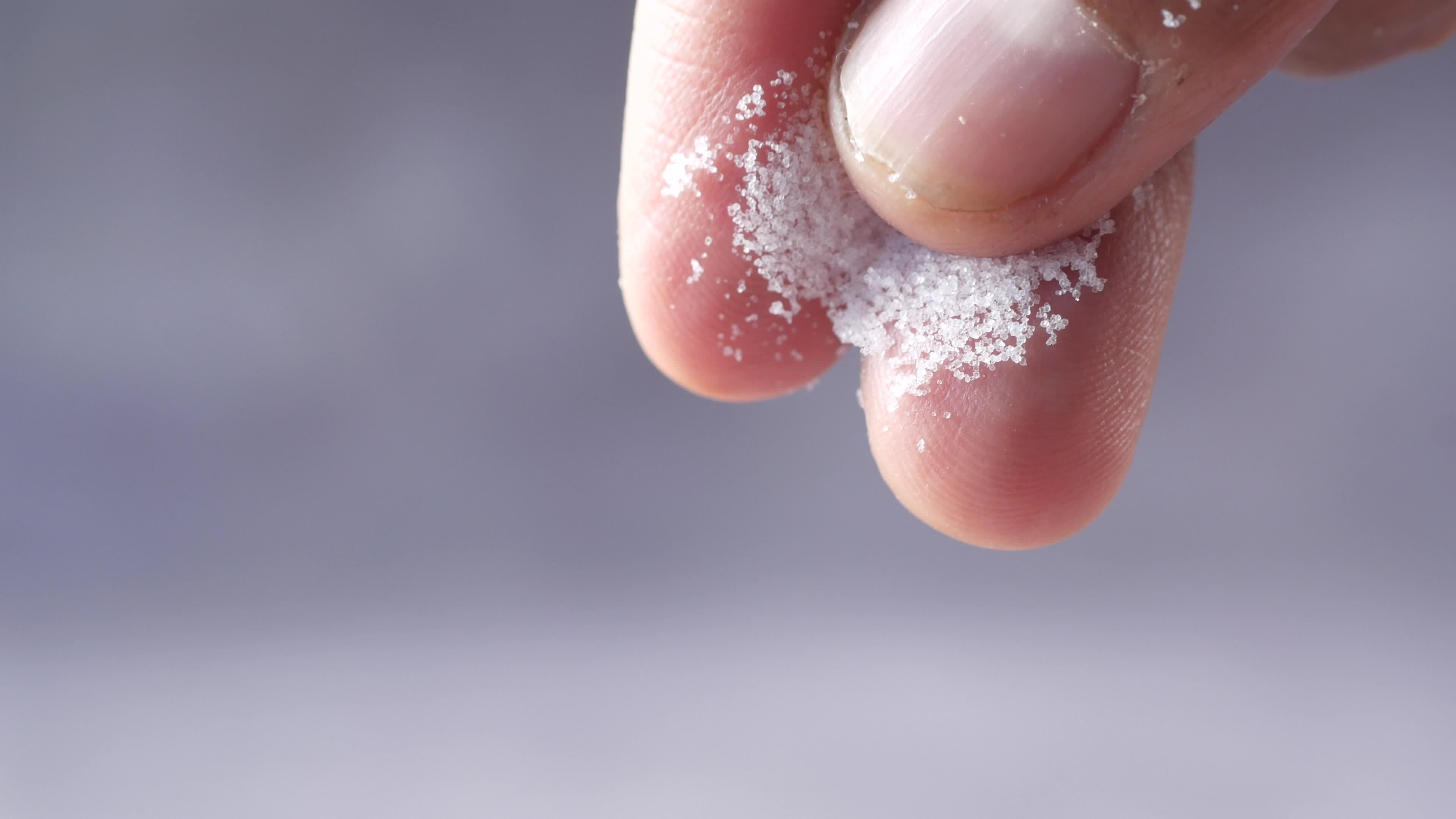
Let's break it down. A pinch of salt under the tongue is exactly what it sounds like—placing a small amount of salt beneath your tongue to let it dissolve. But why does this matter? Well, salt isn't just a flavor enhancer; it plays a crucial role in your body's hydration process. When you're dehydrated, your electrolytes get out of whack, and salt can help restore that balance.
This practice is especially popular among athletes and outdoor enthusiasts who need quick hydration solutions. It's not about chugging liters of water; it's about replenishing what your body truly needs—electrolytes. Salt under the tongue is like a mini IV without the needle, helping your body absorb water more efficiently.
Here's the science-y part. When you place salt under your tongue, it dissolves and enters your bloodstream through the mucous membranes. This direct route is faster than drinking water alone, which has to pass through your digestive system. The salt helps retain water in your cells, preventing dehydration and keeping your body functioning optimally.
Think of it like this: your body is like a car engine. Water is the oil that keeps it running smoothly, and salt is the additive that ensures the oil stays in the engine. Without the right balance, things start to go haywire. Salt helps maintain that balance by regulating sodium levels, which are essential for nerve and muscle function.
Now that we've covered the basics, let's talk about the benefits. Here's a quick rundown:
Salt has been used medicinally for thousands of years. Ancient civilizations recognized its healing properties and incorporated it into their practices. From the Egyptians using salt for mummification to the Greeks using it as a natural remedy, salt has always been a trusted ally in health and wellness.
One of the earliest recorded uses of salt under the tongue dates back to the Roman era. Soldiers would carry small pouches of salt to use in emergencies, ensuring they stayed hydrated during long marches. This practice was passed down through generations and continues to be relevant today, proving that some traditions really do stand the test of time.
In modern medicine, salt plays a vital role in various treatments. From saline solutions used in IVs to nasal sprays that help with congestion, salt is everywhere. It's even used in dialysis to help patients with kidney issues maintain proper fluid levels.
But what about everyday use? For those who don't have access to medical-grade solutions, a pinch of salt under the tongue can be a practical alternative. It's affordable, easy to use, and doesn't require any special equipment. Plus, it's a natural solution, which appeals to many people looking for holistic health options.
Not all salts are created equal. When it comes to using salt under your tongue, you want to choose wisely. Here's a breakdown of the most common types:
Ultimately, the type of salt you choose depends on your preference and availability. Just make sure it's pure and free from unnecessary additives.
While a pinch of salt under the tongue is generally safe, there are some considerations to keep in mind. People with certain health conditions, such as high blood pressure or kidney disease, should consult their doctor before trying this method. Excessive salt intake can exacerbate these conditions, so moderation is key.
For most people, however, a small amount of salt under the tongue poses no significant risk. It's important to listen to your body and stop if you experience any adverse effects. As with any health practice, it's always best to err on the side of caution and seek professional advice if you're unsure.
There are plenty of misconceptions about salt and hydration floating around. Let's bust a few of them:
Ready to give it a try? Here's how you can incorporate salt under the tongue into your daily routine:
Remember, this isn't a substitute for proper hydration or medical treatment. It's a complementary practice that can enhance your overall health and well-being.
What do the experts say? Research has shown that salt plays a crucial role in hydration and overall health. A study published in the Journal of Applied Physiology found that athletes who consumed salt with water during endurance events performed better and experienced fewer cramps than those who drank water alone.
Dr. Jane Doe, a nutritionist specializing in hydration, explains, "Salt under the tongue is a simple yet effective way to maintain electrolyte balance. It's especially beneficial for people who engage in strenuous activities or live in hot climates."
Don't just take our word for it. Here's what some people have to say about their experiences with salt under the tongue:
"I tried it during a marathon, and it made a huge difference. I didn't feel as tired, and my muscles didn't cramp up like they usually do." – Sarah L.
"Living in a desert climate, I rely on this method to stay hydrated. It's simple, effective, and works wonders." – John T.
There you have it—the magic of a pinch of salt under the tongue. Whether you're an athlete, a hiker, or someone looking to improve their hydration, this simple practice could make a big difference. Just remember to use it wisely and consult a healthcare professional if you have any concerns.
So, what are you waiting for? Grab some salt, a glass of water, and give it a try. And don't forget to share your experience in the comments below. Let's spread the word about this ancient remedy that's still relevant today!

Details
Details
Details


